
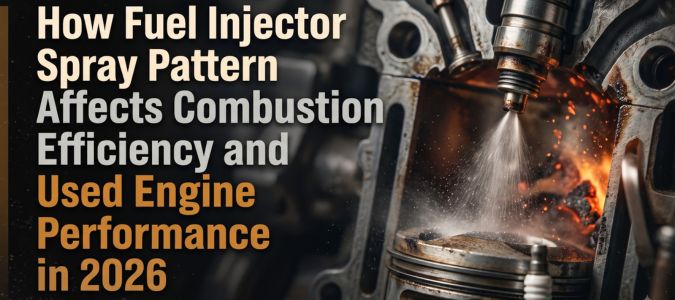
How Fuel Injector Spray Pattern Affects Combustion Efficiency and Used Engine Performance in 2026
Fuel injector performance plays an important role in how efficiently an engine burns fuel and produces power. A consistent spray pattern helps distribute fuel appropriately inside the combustion chamber, supporting smooth operation, reliable starting, and efficient combustion. When evaluating a Used Engine, buyers should consider the condition of its fuel delivery components alongside major mechanical parts. Choosing quality used engines with suitable inspection records can help reduce the risk of unexpected performance problems after installation.
Understanding Fuel Injector Spray Patterns
Fuel injectors deliver a controlled amount of fuel into the engine’s intake system or combustion chamber, depending on the engine’s injection design. They are engineered to atomize fuel into droplets and distribute it in a pattern suited to the combustion chamber and operating conditions.
A properly functioning injector helps deliver fuel at the correct time and in the required quantity. The spray pattern varies according to injector design, fuel pressure, engine type, and injection technology. Modern gasoline direct-injection engines, port-injection engines, and diesel engines use different injector configurations. Therefore, injector inspection and testing must follow the specifications of the particular engine.
When injector spray becomes uneven, fuel distribution may be affected. This can contribute to incomplete combustion, rough idling, increased emissions, or reduced engine performance.
How Spray Pattern Consistency Influences Combustion Efficiency
Combustion efficiency depends on several factors, including air-fuel mixture preparation, ignition timing, compression, fuel quality, and engine operating conditions.
Fuel atomization helps create a mixture that can burn effectively. If an injector produces an unsuitable spray pattern, some areas may receive too much fuel while others receive too little. Depending on the engine design, this can lead to inconsistent combustion.
Common injector-related conditions include:
- Clogged injector nozzles: Deposits may interfere with the intended fuel spray.
- Uneven fuel delivery: Differences between injectors can affect cylinder-to-cylinder combustion balance.
- Injector leakage: Fuel may enter the cylinder when it should not, potentially causing rich running or starting difficulties.
- Incorrect fuel pressure: Pressure outside the manufacturer’s specifications can affect injector operation.
- Electrical faults: Damaged wiring or injector control problems can interrupt correct fuel delivery.
These issues can influence fuel economy, exhaust emissions, engine response, and overall drivability.
The Connection Between Injector Condition and Engine Smoothness
An engine relies on consistent combustion across its cylinders to maintain smooth operation. If one cylinder receives an incorrect fuel quantity or an unsuitable spray pattern, its contribution to engine output may differ from the others.
Drivers may notice symptoms such as rough idling, hesitation during acceleration, misfires, or inconsistent power delivery. However, these symptoms do not automatically indicate a faulty injector. Ignition components, compression problems, vacuum leaks, sensor faults, and fuel pressure issues can produce similar behavior.
When assessing a Used Engine, buyers should request information about previous running condition and any recorded fuel-system repairs. Where appropriate, a qualified technician can perform injector balance testing, electrical checks, and specialized spray-pattern testing using suitable equipment.
What Buyers Should Check Before Purchasing a Used Engine
A replacement engine should be evaluated as a complete mechanical assembly rather than judged only by mileage or appearance. Fuel injector condition is one part of this process. Consider these inspection steps:
- Review engine history: Ask the supplier whether the engine was tested before removal and whether there are records of injector replacement, cleaning, or fuel-system repairs.
- Check injector compatibility: Confirm that injector part numbers and specifications match the engine code and intended vehicle application. Similar-looking injectors are not necessarily interchangeable.
- Request relevant testing: Depending on the injector type, professional testing may assess electrical resistance, leakage, flow rate, and spray pattern. Testing procedures must be suitable for the specific fuel system.
- Inspect fuel-system cleanliness: Contaminated fuel, rust, and debris can affect injectors and other fuel delivery components. The fuel tank, lines, and filters should be checked before installation.
- Verify overall engine condition: Compression, oil condition, cooling system integrity, and diagnostic information should also be considered. A good injector cannot compensate for worn internal engine components.
These checks can help buyers distinguish genuinely dependable replacement options from engines that require additional repairs.
Why Quality Used Engines Need Proper Fuel-System Evaluation
When searching for quality used engines, buyers should look for suppliers who provide clear identification details, relevant inspection information, and transparent condition descriptions. An engine may appear mechanically sound but still have fuel delivery problems that affect its operation after installation. Injector condition is particularly important when an engine has been stored for an extended period, operated with contaminated fuel, or removed because of a performance complaint.
It is also important to consider the vehicle’s existing fuel system. Before installing a replacement engine, technicians should inspect the fuel pump, fuel filter, pressure regulator where fitted, wiring, and fuel lines. Direct-injection systems may require specialized high-pressure components and safety procedures. Following manufacturer specifications during installation helps ensure that the replacement engine receives the correct fuel supply.
Maintenance Practices for Reliable Injector Performance
After installation, regular fuel-system maintenance can help support dependable engine operation. Use fuel that meets the vehicle manufacturer’s requirements, replace filters according to the recommended schedule, and address warning lights or misfire symptoms promptly. Injector cleaning should be performed only when appropriate and using procedures compatible with the engine’s fuel system.
Avoid replacing injectors unnecessarily without diagnosis. Professional testing can help identify whether the problem is caused by the injector itself, fuel pressure, electrical control, or another engine component.
Final Thoughts
Fuel injector spray pattern consistency influences how effectively an engine prepares and burns its air-fuel mixture. Poor atomization, uneven delivery, leakage, or electrical faults can contribute to rough operation and reduced performance.
Anyone considering a Used Engine should evaluate fuel injector condition alongside compression, lubrication, cooling, and compatibility. Selecting quality used engines supported by reliable inspection information and professional testing can help buyers make better-informed decisions and reduce avoidable installation problems.