
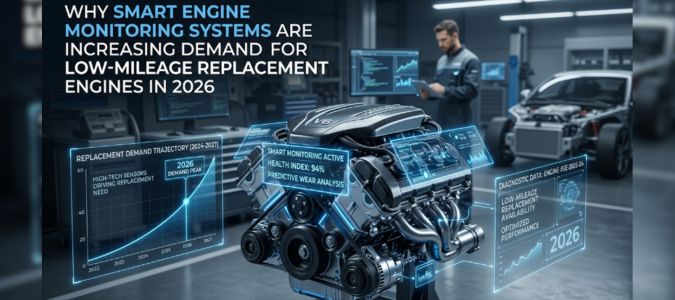
Why Smart Engine Monitoring Systems Are Increasing Demand for Low-Mileage Replacement Engines in 2026
The automotive industry is becoming increasingly data-driven in 2026. Modern vehicles now feature sophisticated smart engine monitoring systems capable of tracking performance, detecting faults, and predicting potential failures long before they become catastrophic. These advanced technologies are transforming how vehicle owners approach maintenance and repairs.
As predictive diagnostics become more accurate, drivers are identifying engine issues earlier than ever before. Instead of waiting for complete engine failure, many vehicle owners are proactively replacing worn powertrains with low-mileage alternatives. This shift has contributed to rising demand for OEM used auto parts and professionally inspected quality used engines, which offer a cost-effective solution for extending vehicle life.
The combination of intelligent monitoring technology and affordable replacement options is reshaping the engine replacement market and helping drivers avoid costly vehicle purchases.
The Rise of Smart Engine Monitoring Technology
Modern vehicles contain dozens of sensors that continuously monitor engine performance.
These systems track:
- Oil pressure
- Coolant temperature
- Fuel efficiency
- Engine timing
- Emissions output
- Air-to-fuel ratios
- Cylinder performance
Advanced onboard computers analyze this data in real time and alert drivers when abnormalities occur.
This proactive approach allows potential problems to be addressed before severe engine damage develops.
Predictive Maintenance Is Changing Vehicle Ownership
Traditional maintenance often relied on scheduled service intervals and visible symptoms. Today, predictive maintenance systems can identify:
- Early wear patterns
- Performance degradation
- Sensor irregularities
- Internal component stress
This capability enables vehicle owners to make informed repair decisions before major breakdowns occur.
As a result, engine replacement planning has become more strategic rather than reactive.
Why Drivers Are Replacing Engines Earlier
Smart monitoring systems frequently detect engine issues before complete failure.
Examples include:
- Excessive oil consumption
- Compression loss
- Cooling system inefficiencies
- Internal component wear
When repair costs begin approaching replacement costs, many drivers choose low-mileage replacement engines to restore reliability.
This trend is helping fuel demand for quality used engines across the automotive market.
The Growing Popularity of OEM Used Auto Parts
One major reason consumers prefer OEM used auto parts is compatibility.
OEM components offer:
- Factory-engineered fitment
- Proven reliability
- Original performance standards
- Simplified installation
Because these parts were originally designed for specific vehicle models, they often provide a smoother replacement experience than some aftermarket alternatives.
Cost Savings Drive Consumer Decisions
Vehicle replacement costs continue rising in 2026. New vehicles often involve:
- Higher purchase prices
- Increased financing costs
- Expensive insurance premiums
Replacing an aging engine with a low-mileage OEM unit is often significantly more affordable than purchasing another vehicle.
For budget-conscious drivers, this option provides substantial financial benefits.
Modern Engines Have Longer Lifespans
Advances in engineering have dramatically increased engine durability.
Many modern engines can exceed:
- 200,000 miles
- 250,000 miles
- 300,000 miles
with proper maintenance.
A low-mileage replacement engine may therefore have many years of useful service remaining.
This makes replacement an attractive investment for vehicle owners seeking long-term value.
Smart Diagnostics Improve Replacement Timing
One of the hidden benefits of smart monitoring technology is improved decision-making.
Instead of waiting until an engine fails completely, drivers can evaluate:
- Repair costs
- Engine condition
- Replacement options
before a breakdown occurs.
This proactive approach often reduces overall repair expenses and minimizes vehicle downtime.
Quality Used Engines Meet Growing Demand
The automotive recycling industry has evolved significantly.
Many suppliers now perform extensive testing procedures, including:
- Compression testing
- Leak detection
- Mileage verification
- Visual inspections
- Performance evaluations
These quality control measures help ensure that quality used engines meet customer expectations.
Faster Availability Than New Engines
Supply chain challenges continue affecting some automotive components.
New engine orders may involve:
- Long lead times
- Shipping delays
- Inventory shortages
Meanwhile, OEM replacement engines are often readily available through established recycling networks.
This availability helps drivers complete repairs more quickly.
Environmental Benefits of Engine Reuse
Sustainability is becoming an increasingly important consideration for consumers.
Choosing recycled OEM engines helps:
- Reduce manufacturing demand
- Lower resource consumption
- Minimize landfill waste
- Extend component life cycles
Vehicle owners can reduce costs while supporting environmentally responsible repair practices.
Fleet Operators Are Leading the Trend
Commercial fleet managers increasingly rely on predictive maintenance technologies.
When smart monitoring systems identify engine deterioration, fleets often choose replacement engines to avoid unexpected failures.
Benefits include:
- Reduced downtime
- Lower operating costs
- Improved reliability
- Better budget planning
This growing adoption contributes to rising demand for OEM used auto parts.
Warranty Programs Improve Buyer Confidence
Many suppliers now offer warranties on replacement engines.
Coverage options may include:
- Limited warranties
- Extended protection plans
- Performance guarantees
These programs provide additional reassurance and make replacement engines even more appealing.
Technology Simplifies Engine Selection
Modern inventory management systems help buyers identify compatible engines quickly.
Advanced databases can verify:
- Engine specifications
- Vehicle compatibility
- Mileage records
- Availability
These tools reduce purchasing risks and improve overall customer satisfaction.
Why OEM Components Remain Preferred
OEM engines continue to be the preferred choice because they provide:
- Factory-engineered reliability
- Consistent performance
- Proven durability
- Better compatibility
As vehicle technology becomes more sophisticated, maintaining OEM standards becomes increasingly important.
Future Growth of the Replacement Engine Market
Industry analysts expect continued growth in demand for low-mileage engines.
Contributing factors include:
- Rising vehicle prices
- Predictive maintenance adoption
- Longer vehicle ownership cycles
- Sustainability initiatives
- Improved recycling practices
These trends position replacement engines as a key segment of the automotive aftermarket.
How Vehicle Owners Benefit
Drivers who choose low-mileage replacement engines often enjoy:
- Lower repair costs
- Extended vehicle lifespan
- Reliable transportation
- Reduced ownership expenses
These benefits are becoming increasingly attractive in today’s automotive market.
The Role of Smart Technology in Repair Decisions
Smart engine monitoring systems are helping drivers make more informed maintenance choices.
Rather than reacting to breakdowns, vehicle owners can:
- Plan repairs strategically
- Budget more effectively
- Avoid emergency expenses
This shift is changing how consumers approach long-term vehicle ownership.
Final Thoughts
Smart engine monitoring systems are revolutionizing vehicle maintenance in 2026 by providing early detection of engine wear and performance issues. As predictive diagnostics become more accurate, drivers are increasingly choosing proactive engine replacement rather than waiting for catastrophic failures.
This trend has significantly increased demand for OEM used auto parts and professionally inspected quality used engines, which offer affordability, reliability, and long-term value. By combining advanced monitoring technology with cost-effective replacement solutions, vehicle owners can extend the life of their vehicles, reduce repair expenses, and avoid the financial burden of purchasing a new car.