
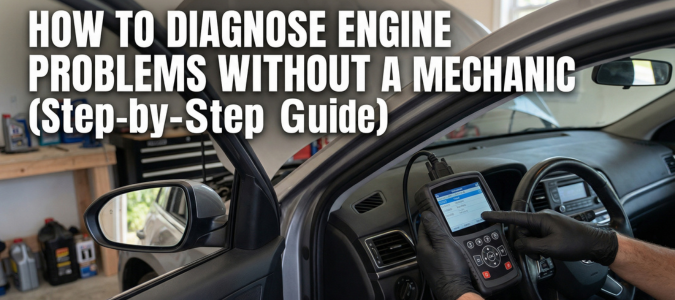
How to Diagnose Engine Problems Without a Mechanic (Step-by-Step Guide)
Car engine problems can be stressful, especially when you’re unsure what’s wrong and don’t want to spend money on immediate repairs. The good news is that many common engine issues can be diagnosed at home with basic knowledge and simple tools. This step-by-step guide will help you identify problems early and decide whether repairs, used motors, or even junkyard engines might be the right solution.
Why Learn to Diagnose Engine Problems?
Understanding basic engine diagnostics can help you:
- Save money on unnecessary repairs
- Identify issues early before they worsen
- Communicate better with mechanics
- Make informed decisions about repairs or replacements
Step 1: Check for Warning Lights
Modern vehicles come with dashboard warning lights that indicate potential issues.
Common Lights:
- Check Engine Light – General engine issue
- Oil Warning Light – Low oil pressure
- Battery Light – Charging system problem
What to Do:
- Don’t ignore warning lights
- Use an OBD-II scanner to read error codes
- Look up the codes online for basic understanding
Step 2: Listen for Unusual Sounds
Strange noises often signal engine trouble.
Common Sounds:
- Knocking → Possible internal engine damage
- Squealing → Belt issues
- Grinding → Mechanical wear
Tip:
Turn off the engine if you hear loud knocking to prevent further damage.
Step 3: Notice Unusual Smells
Different smells can indicate specific problems:
- Burning oil smell → Oil leak
- Sweet smell → Coolant leak
- Burning rubber → Belt slipping
Identifying smells early can help prevent major damage.
Step 4: Check Exhaust Smoke
The color of exhaust smoke tells a lot about engine health:
- Blue smoke → Burning oil
- White smoke → Coolant leak
- Black smoke → Excess fuel
Persistent smoke may indicate serious issues requiring repair or replacement.
Step 5: Inspect Fluid Levels
Low or dirty fluids can cause engine problems.
Check:
- Engine oil
- Coolant
- Transmission fluid
What to Look For:
- Low levels
- Dirty or dark fluid
- Leaks under the car
Keeping fluids at proper levels is essential for engine performance.
Step 6: Test the Battery and Electrical System
Electrical issues can mimic engine problems.
Signs:
- Difficulty starting
- Dim lights
- Clicking sound
Solution:
- Check battery terminals
- Test battery voltage
- Replace if necessary
Step 7: Monitor Engine Temperature
Overheating can cause severe damage.
Causes:
- Low coolant
- Faulty radiator
- Broken water pump
What to Do:
- Stop driving immediately if overheating
- Let the engine cool before checking
Step 8: Inspect Belts and Hoses
Belts and hoses play a crucial role in engine function.
Look for:
- Cracks or wear
- Loose connections
- Leaks
Replacing worn belts early prevents bigger issues.
Step 9: Check Engine Performance
Pay attention to how your car drives.
Warning Signs:
- Loss of power
- Poor acceleration
- Rough idling
- Increased fuel consumption
These signs often indicate underlying engine problems.
When to Consider Replacement
Sometimes repairs are not enough, especially in severe cases.
Consider replacement if:
- Engine damage is extensive
- Repair costs are too high
- Multiple components are failing
In such cases, options like used motors or junkyard engines can be affordable alternatives to get your vehicle running again.
Common Mistakes to Avoid
- Ignoring warning signs
- Continuing to drive with serious issues
- Using low-quality fluids or parts
- Skipping regular maintenance
Avoiding these mistakes can prevent costly repairs.
Tips for Preventing Engine Problems
- Follow regular maintenance schedule
- Change oil and filters on time
- Use quality fuel and fluids
- Keep an eye on dashboard warnings
- Address minor issues early
Prevention is always better than repair.
Final Thoughts
Diagnosing engine problems without a mechanic is possible if you know what to look for. By checking warning lights, listening for unusual sounds, and inspecting key components, you can identify issues early and take the right action.
If the damage is severe, exploring options like used motors or junkyard engines can be a practical and cost-effective solution. With proper care and attention, you can keep your vehicle running smoothly and avoid unexpected breakdowns.