
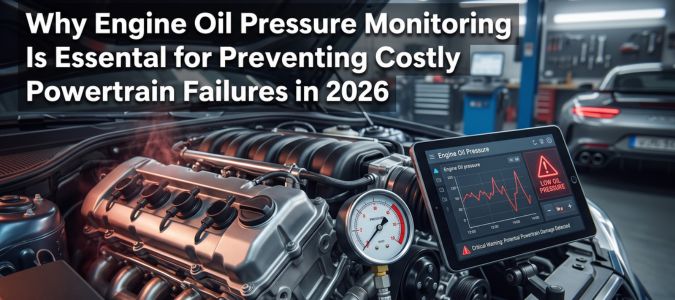
Why Engine Oil Pressure Monitoring Is Essential for Preventing Costly Powertrain Failures in 2026
Engine oil does much more than lubricate moving components. It also helps control temperature, reduce friction, protect internal surfaces, and support the operation of several critical engine systems. For these functions to work correctly, the engine must maintain adequate oil pressure.
In modern vehicles, oil pressure monitoring has become increasingly important because engines are designed with tighter internal tolerances and more sophisticated components. A sudden drop in oil pressure can indicate lubrication problems that may eventually cause severe engine or powertrain damage.
This is particularly important when purchasing replacement engines. Buyers searching for quality used engines should understand the importance of oil pressure testing and monitoring before installation. Choosing used engines with warranty coverage can also provide additional protection when purchasing a replacement powertrain component.
What Is Engine Oil Pressure?
Engine oil pressure is the force generated as the oil pump circulates lubricant through the engine’s internal passages.
The oil must reach critical components such as:
- Crankshaft bearings
- Camshaft bearings
- Connecting rod bearings
- Timing components
- Variable valve timing systems
- Turbocharger components
Maintaining appropriate oil pressure ensures that these parts receive sufficient lubrication during operation.
Why Oil Pressure Matters
Insufficient oil pressure can prevent engine components from receiving the lubrication they require. Low oil pressure may contribute to:
- Increased friction
- Excessive component wear
- Higher operating temperatures
- Bearing damage
- Timing system problems
- Engine seizure
Because these problems can develop quickly, monitoring oil pressure provides an important early warning system.
Common Causes of Low Oil Pressure
Several conditions can cause oil pressure to fall below the recommended level. Common causes include:
- Low engine oil level
- Worn oil pump
- Clogged oil filter
- Incorrect oil viscosity
- Excessive bearing clearance
- Internal engine wear
- Oil leaks
- Damaged oil passages
Identifying the cause early can help prevent more expensive repairs.
How Oil Pressure Monitoring Works
Modern vehicles may use an oil pressure sensor or switch to monitor lubrication pressure.
The sensor communicates information to the vehicle’s electronic control system. If pressure falls outside the expected range, the vehicle may activate an oil pressure warning light or generate a diagnostic trouble code.
More advanced systems can provide technicians with additional information for diagnosing lubrication problems.
Warning Signs Drivers Should Never Ignore
An illuminated oil pressure warning light should never be ignored. Other potential symptoms include:
- Ticking or knocking noises
- Engine overheating
- Reduced performance
- Unusual mechanical sounds
- Fluctuating oil pressure readings
- Warning messages on the dashboard
Continuing to drive with critically low oil pressure can result in serious internal damage.
Oil Pressure and Replacement Engines
Oil pressure testing is especially important when evaluating a replacement engine. An engine may have acceptable mileage and appear clean externally while still having internal wear that affects lubrication performance.
Before installation, technicians may evaluate:
- Oil pressure
- Oil condition
- Oil pump performance
- Bearing condition
- Oil leaks
- Filter condition
- Internal engine wear
These checks can provide valuable information about the engine’s mechanical condition.
Why Quality Used Engines Should Be Tested
Buyers searching for quality used engines should look beyond appearance and mileage. A comprehensive inspection can help identify hidden problems before the engine is installed.
Important evaluation factors include:
- Engine compatibility
- Mileage
- Compression
- Oil pressure
- Maintenance history
- Internal condition
- Inspection documentation
- Warranty coverage
Testing oil pressure provides another layer of confidence when determining whether a replacement engine is suitable.
Benefits of Used Engines With Warranty
Choosing used engines with warranty coverage can provide additional peace of mind for buyers. A warranty may provide protection against certain covered mechanical failures during the specified warranty period and under its stated conditions.
However, buyers should always review:
- Warranty duration
- Covered components
- Labor provisions
- Installation requirements
- Maintenance requirements
- Exclusions and limitations
Warranty terms vary by supplier, so understanding the coverage before purchase is essential.
Importance of Correct Engine Oil
Using the correct engine oil is another important factor in maintaining stable oil pressure.
Engine manufacturers specify oil viscosity and performance standards based on the engine’s design. Using an unsuitable oil may affect:
- Oil flow
- Lubrication
- Operating pressure
- Temperature management
- Component protection
Drivers should always follow the manufacturer’s recommended specifications.
Oil Filters Also Affect Lubrication
The oil filter removes contaminants from the engine lubricant.
A clogged or unsuitable filter can affect oil circulation and may contribute to lubrication problems.
Regular filter replacement helps maintain:
- Clean engine oil
- Proper oil flow
- Consistent lubrication
- Internal component protection
Oil and filter maintenance should therefore be treated as part of the same preventive maintenance strategy.
How Monitoring Prevents Costly Failures
Regular oil pressure monitoring allows potential lubrication problems to be identified before they become major mechanical failures.
Early detection may help prevent damage to:
- Engine bearings
- Crankshafts
- Camshafts
- Timing components
- Turbochargers
- Other powertrain components
This makes oil pressure monitoring an important part of preventive vehicle maintenance.
Oil Pressure and Modern Powertrains
Modern engines often include turbochargers, variable valve timing, start-stop systems, and other technologies that increase mechanical complexity.
These components can depend on consistent lubrication.
As powertrain technology becomes more advanced, maintaining correct oil pressure becomes increasingly important for reliability.
Importance of Professional Diagnosis
An oil pressure warning does not always mean that the engine itself has failed.
Technicians may use mechanical pressure gauges, scan tools, visual inspections, and other diagnostic methods to determine the actual cause.
Professional diagnosis can distinguish between:
- Faulty sensors
- Electrical problems
- Low oil levels
- Oil pump problems
- Internal engine wear
Correct diagnosis helps prevent unnecessary engine replacement.
Future of Oil Pressure Monitoring
Oil monitoring technology is expected to become increasingly sophisticated. Future vehicles may use:
- Real-time oil condition monitoring
- Predictive maintenance alerts
- Advanced pressure sensors
- AI-assisted diagnostics
- Connected vehicle health monitoring
These systems could identify developing lubrication problems before drivers notice traditional warning signs.
Final Thoughts
Engine oil pressure monitoring is an essential part of modern powertrain maintenance because it provides an early indication of lubrication problems that can otherwise lead to expensive mechanical failures. Maintaining appropriate oil pressure helps protect bearings, crankshafts, camshafts, timing components, turbochargers, and other critical engine systems.
For buyers evaluating quality used engines, oil pressure testing should be included alongside mileage, compression, compatibility, maintenance history, and overall inspection results. Selecting used engines with warranty coverage may also provide additional protection, provided buyers understand the specific terms and conditions.
Ultimately, monitoring oil pressure, using the correct engine oil, replacing filters regularly, and investigating warning signs promptly can significantly reduce the risk of major powertrain failures and help extend engine life.
Frequently Asked Questions
Engine oil pressure ensures that lubricant reaches critical moving components, reducing friction, managing heat, and protecting internal engine parts from excessive wear.
Low oil pressure can result from low oil levels, worn bearings, a damaged oil pump, clogged filters, incorrect oil viscosity, leaks, or excessive internal engine wear.
Yes. Oil pressure testing can provide useful information about the internal lubrication system and overall mechanical condition of a replacement engine.
Reputable suppliers may perform various inspections and tests, but the exact testing process differs between suppliers. Buyers should ask for available inspection information before purchasing quality used engines.
Used engines with warranty coverage can provide additional protection against certain covered failures during the stated warranty period. Buyers should carefully review the warranty’s terms, exclusions, and installation requirements.
Yes. A warning may sometimes result from a faulty oil pressure sensor or electrical issue rather than actual low oil pressure. Professional diagnosis can determine the underlying cause.