
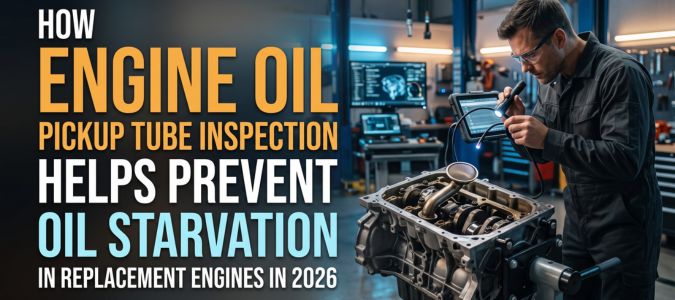
How Engine Oil Pickup Tube Inspection Helps Prevent Oil Starvation in Replacement Engines in 2026
Engine lubrication is essential for protecting internal components from friction, overheating, and premature wear. The oil pickup tube plays a critical role by drawing engine oil from the sump and supplying it to the oil pump. If the tube becomes blocked, damaged, or improperly installed, oil flow can be restricted and cause serious engine damage. Buyers comparing quality used engines should therefore consider oil pickup tube condition during inspection. Choosing used engines with warranty can also provide additional purchasing protection, although warranty coverage depends on the supplier’s specific terms.
What Is an Engine Oil Pickup Tube?
The engine oil pickup tube is part of the lubrication system. It extends into the oil sump, where it draws oil through a screened opening and delivers it to the oil pump. The oil pump then circulates lubricant through important engine components, including bearings, camshafts, and other moving parts, depending on the engine design. A properly functioning pickup tube helps maintain the oil supply needed for reliable engine operation.
Why Oil Pickup Tube Inspection Matters
Even when an engine contains enough oil, lubrication problems can occur if the pickup tube cannot supply oil efficiently. Potential problems include:
- Blocked pickup screens
- Cracked or bent tubes
- Damaged sealing surfaces
- Loose mounting hardware
- Incorrect installation
- Air entering through a faulty seal
- Sludge or debris restricting oil flow
These issues can reduce lubrication effectiveness and increase the risk of internal engine damage.
How a Blocked Pickup Tube Causes Oil Starvation
Oil starvation occurs when engine components do not receive sufficient lubrication. A restricted pickup screen can prevent the oil pump from drawing an adequate supply of oil from the sump. Depending on the severity of the restriction and engine operating conditions, oil pressure may drop or fluctuate.
Insufficient lubrication can damage critical components such as:
- Crankshaft bearings
- Connecting rod bearings
- Camshaft journals
- Timing components
- Other oil-dependent moving parts
Severe oil starvation can lead to engine failure. Inspecting the pickup system before installing a replacement engine can help identify preventable risks.
Common Causes of Pickup Tube Problems
Several conditions can affect the oil pickup tube and its screen.
- Sludge and Debris: Poor maintenance, degraded oil, and accumulated deposits can contribute to sludge formation. Debris may collect around the pickup screen and restrict oil flow.
- Physical Damage: A bent or cracked pickup tube may interfere with oil delivery or allow air to enter the lubrication system.
- Worn or Damaged Seals: Some pickup tube designs use seals or O-rings at connection points. A damaged seal can allow air to enter the pump’s suction side, potentially affecting oil delivery.
- Incorrect Installation: Incorrect positioning, loose fasteners, or an improperly fitted seal can compromise the lubrication system.
Inspection Steps Before Engine Installation
A systematic inspection can help technicians identify potential problems before a replacement engine is installed. Important checks include:
- Inspect the pickup tube: Look for cracks, bends, corrosion, and visible damage.
- Examine the pickup screen: Check for sludge, metal particles, and other obstructions.
- Check seals and O-rings: Replace damaged sealing components according to the manufacturer’s recommendations.
- Verify mounting hardware: Confirm that the tube is properly secured.
- Inspect the oil sump: Look for debris or evidence of previous internal engine damage.
- Confirm correct fitment: Ensure the pickup tube matches the engine’s specific configuration.
Where the oil pan or pickup tube has been removed, proper reassembly and specified tightening procedures are important.
Why Pickup Tube Condition Matters When Buying Quality Used Engines
When evaluating quality used engines, buyers should consider more than mileage, exterior appearance, or whether the engine turns freely. The condition of the lubrication system can provide important information about how well the engine may have been maintained.
Ask the supplier whether the engine has been inspected for:
- Oil sludge or contamination
- Metal debris in the sump
- Pickup tube damage
- Signs of lubrication failure
- Abnormal engine noise
- Available oil pressure or diagnostic test results
Not every used engine can be fully inspected internally before purchase. However, available inspection records and clear answers from the supplier can help buyers assess risk.
How Used Engines With Warranty Can Help Buyers
Purchasing used engines with warranty may provide protection against certain covered defects during a defined period. However, warranty coverage varies between suppliers. Buyers should review the written terms before purchasing and confirm whether the warranty covers internal lubrication-related failures. Important questions include:
- What components are covered?
- How long does coverage last?
- Are installation requirements specified?
- Is professional installation mandatory?
- Are labor costs included?
- What maintenance records must be retained?
- Are failures caused by oil starvation excluded?
A warranty does not replace proper inspection, installation, and maintenance. Following the supplier’s requirements is important for protecting both the engine and any applicable coverage.
Best Practices After Installing a Replacement Engine
Once a replacement engine is installed, correct lubrication procedures help reduce the risk of damage. Technicians should follow the engine manufacturer’s service instructions and use the specified oil grade and filter. Recommended practices include:
- Confirming the correct oil level
- Inspecting the oil filter and lubrication components
- Priming the lubrication system when required
- Following the approved initial-start procedure
- Checking for oil leaks
- Verifying oil pressure according to manufacturer specifications
- Investigating warning lights or unusual engine noises immediately
Final Thoughts
Engine oil pickup tube inspection is an important step in preventing oil starvation and protecting replacement engines in 2026. A blocked screen, damaged tube, faulty seal, or installation problem can interfere with lubrication and cause expensive internal damage. Buyers considering quality used engines should ask about lubrication-system inspections and available engine condition records.
Selecting used engines with warranty may provide additional protection, but buyers should understand the written coverage terms and follow all installation and maintenance requirements. Combining careful inspection, correct installation, and proper lubrication practices can help improve the chances of reliable replacement engine performance.