
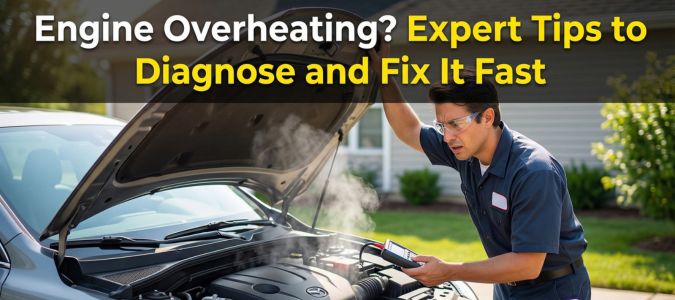
Engine Overheating? Expert Tips to Diagnose and Fix It Fast
Engine overheating is one of the most common-and serious-problems a car owner can face. If not addressed quickly, it can lead to severe engine damage and expensive repairs. Whether you’re on the road or at home, knowing how to diagnose and fix overheating can save your engine-and your wallet.
In this guide, we’ll walk you through the causes, quick fixes, and when to consider replacing your engine with a used engine or opting for used engines with warranty.
What Causes Engine Overheating?
Overheating happens when your engine temperature rises beyond normal levels. This can occur due to several reasons:
- Low coolant levels
- Radiator issues
- Faulty thermostat
- Broken water pump
- Blocked hoses
- Engine oil problems
Identifying the root cause is the first step toward fixing the issue.
Warning Signs of Engine Overheating
Watch out for these signs:
- Temperature gauge in the red zone
- Steam coming from the hood
- Burning smell
- Loss of engine power
- Coolant warning light
If you notice any of these, stop driving immediately to prevent further damage.
Step-by-Step Diagnosis
1. Check Coolant Level
Why It Matters:
Coolant regulates engine temperature.
What to Do:
- Check the coolant reservoir
- Refill if low
2. Inspect Thermostat
Problem:
A stuck thermostat blocks coolant flow.
Fix:
- Replace faulty thermostat
- Ensure proper operation
3. Examine Radiator
Problem:
A clogged or damaged radiator reduces cooling efficiency.
Fix:
- Clean radiator
- Check for leaks
- Replace if necessary
4. Check Water Pump
Problem:
A failing water pump can’t circulate coolant properly.
Symptoms:
- Coolant leaks
- Whining noise
Fix:
Replace the water pump if damaged.
5. Inspect Hoses and Belts
Problem:
Leaks or cracks can disrupt coolant flow.
Fix:
- Tighten loose connections
- Replace damaged hoses
6. Check Engine Oil
Why It Matters:
Oil reduces friction and heat.
Fix:
- Check oil level
- Replace if dirty or low
Quick Fixes for Overheating on the Road
If your engine overheats while driving:
- Turn off the AC
- Turn on the heater (helps reduce engine heat)
- Pull over safely
- Let the engine cool down
- Check coolant level
Never open the radiator cap when the engine is hot.
When Repairs Are Not Enough
Sometimes, overheating causes serious damage such as:
- Warped cylinder head
- Cracked engine block
- Blown head gasket
In such cases, repairs may not be cost-effective.
Consider Engine Replacement
If damage is severe, replacing your engine may be the best option.
Benefits of Choosing a Used Engine:
- Lower cost than new engines
- Quick availability
- Compatible with your vehicle
Opting for a used engine can restore performance without overspending.
Why Choose Used Engines with Warranty?
Buying used engines with warranty provides:
- Protection against defects
- Peace of mind
- Better value for money
Always choose trusted sellers offering warranty coverage.
Tips to Prevent Engine Overheating
- Check coolant regularly
- Maintain proper oil levels
- Service your radiator
- Inspect hoses and belts
- Avoid overloading your vehicle
Preventive maintenance is the best way to avoid overheating issues.
Common Mistakes to Avoid
- Ignoring warning signs
- Driving with low coolant
- Delaying repairs
- Using low-quality parts
These mistakes can lead to costly engine failure.
Final Thoughts
Engine overheating is a serious issue, but with the right knowledge, it can be diagnosed and fixed quickly. Regular maintenance and early detection are key to avoiding major damage.
If your engine is beyond repair, upgrading to a used engine or choosing used engines with warranty can be a smart and cost-effective solution. Take action early, and you’ll keep your vehicle running smoothly and reliably for years to come.