
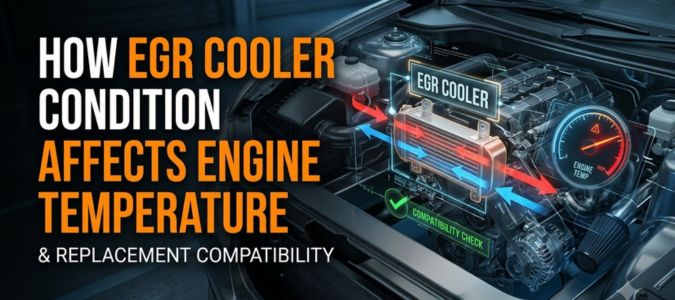
How EGR Cooler Condition Affects Engine Temperature and Replacement Compatibility
When replacing a diesel engine, buyers often focus on engine mileage, internal condition, and overall performance. However, supporting components also play an important role in determining how well a replacement engine operates. One component that deserves attention is the Exhaust Gas Recirculation (EGR) cooler. Its condition can directly influence engine temperature, cooling system performance, and compatibility during engine replacement.
An EGR cooler helps reduce exhaust gas temperatures before recirculated gases return to the intake system. If the cooler becomes clogged, develops leaks, or suffers internal damage, it can contribute to overheating concerns and other engine-related problems. Understanding these factors helps buyers make informed decisions when searching for quality used engines.
Understanding the Function of an EGR Cooler
The EGR cooler is designed to lower the temperature of exhaust gases before they enter the engine’s intake system again. It typically uses engine coolant to absorb heat from the exhaust gases, helping control combustion temperatures and reduce nitrogen oxide (NOx) emissions.
This process supports emissions control while maintaining the intended operating conditions of the engine.
However, EGR cooler designs vary depending on engine manufacturer, model, displacement, and emissions configuration. Therefore, buyers considering used engines with warranty should check whether the replacement engine uses the same EGR cooler arrangement as the original engine.
How EGR Cooler Condition Influences Engine Temperature
A properly functioning EGR cooler helps regulate exhaust gas temperatures through an efficient heat exchange process. When its internal passages become restricted by carbon deposits or other contaminants, heat transfer may become less effective.
Several problems can develop when the cooler is not working correctly:
- Restricted Coolant Flow: Blocked passages can reduce coolant circulation through the cooler.
- Reduced Heat Transfer: Internal buildup can interfere with the cooler’s ability to remove heat from exhaust gases.
- Coolant Leakage: Internal cracks may allow coolant to enter the exhaust or intake system.
- Overheating Concerns: Coolant loss or restricted circulation can contribute to higher engine temperatures.
These problems do not always indicate EGR cooler failure alone. A damaged radiator, thermostat, water pump, or head gasket can produce similar symptoms. Proper inspection is necessary before identifying the actual cause.
When comparing quality used engines, checking the cooling system and EGR components can help buyers identify potential problems before installation.
Common Signs of a Damaged or Failing EGR Cooler
An EGR cooler may develop problems gradually, making early inspection important. Some warning signs can appear during regular driving, while others become noticeable during engine diagnostics.
- Unexplained Coolant Loss: If coolant levels continue dropping without an obvious external leak, an internal EGR cooler leak may be responsible.
- White Exhaust Smoke: Coolant entering the exhaust system can produce persistent white exhaust smoke, particularly during engine operation.
- Engine Overheating: A compromised cooling system may struggle to maintain normal operating temperatures.
- Check Engine Light: EGR-related faults, abnormal sensor readings, or emissions system problems may trigger warning lights.
- Poor Engine Performance: Incorrect exhaust gas recirculation can affect combustion efficiency, potentially causing rough operation or reduced power.
When shopping for used engines with warranty, buyers should ask about the condition of the EGR cooler and whether it has been inspected or tested.
Why EGR Cooler Compatibility Matters During Engine Replacement
Not all EGR coolers are interchangeable, even when two engines appear similar. Differences in mounting points, coolant connections, exhaust passages, and emissions equipment can create installation difficulties.
For example, two diesel engines from the same manufacturer may use different EGR cooler assemblies because of production-year updates or emissions requirements.
Before purchasing a replacement engine, compare:
- Engine model and displacement.
- Manufacturing year and vehicle application.
- EGR cooler mounting locations.
- Coolant inlet and outlet connections.
- Exhaust and intake connection arrangements.
- Emissions system configuration.
Buyers researching quality used engines should verify these details rather than relying only on visual similarities. Correct compatibility can reduce installation complications and help preserve the vehicle’s original emissions system functionality.
How EGR Cooler Problems Can Affect Long-Term Engine Reliability
A failing EGR cooler can create problems beyond emissions performance. If coolant leaks internally, it may contaminate the intake or exhaust system. In severe cases, coolant entering a cylinder can cause combustion problems or even hydrolock.
Additionally, continued coolant loss can expose the engine to overheating risks. Excessive operating temperatures may damage cylinder head gaskets, distort cylinder heads, and affect other internal components.
This is why inspecting supporting components is important when purchasing used engines with warranty. A replacement engine should be evaluated as part of a complete system rather than as an isolated mechanical component.
A professional inspection can help determine whether the existing EGR cooler can be reused or should be replaced before installation.
What to Check Before Buying a Replacement Diesel Engine
Selecting the right replacement engine requires attention to both mechanical condition and vehicle compatibility. Consider these important checks:
- Verify Engine Identification: Match the engine code, displacement, and vehicle application.
- Inspect the Cooling System: Check for coolant leaks, contamination, and signs of overheating.
- Evaluate the EGR Cooler: Look for corrosion, restricted passages, and possible internal leakage.
- Confirm Emissions Compatibility: Ensure the replacement engine supports the required EGR and emissions configuration.
- Review Warranty Coverage: Understand which engine components are covered, including any applicable exclusions.
When searching for quality used engines, these checks can help reduce unexpected expenses and improve replacement planning.
Choose a Replacement Engine with Confidence
A replacement engine should provide more than a suitable price. Buyers should consider engine condition, component compatibility, maintenance requirements, and available warranty protection.
At CarEngineGuru.com, buyers can explore replacement engine information and compare important specifications before making a purchasing decision. Understanding the condition of components such as the EGR cooler can help avoid compatibility issues and support a smoother installation.
Choosing used engines with warranty can also provide additional purchase protection, depending on the seller’s specific coverage terms.
Conclusion
EGR cooler condition plays an important role in exhaust gas temperature management, cooling system operation, and replacement engine compatibility. A restricted or damaged cooler can contribute to coolant loss, overheating concerns, and engine performance problems.
Before installing a replacement diesel engine, verify the EGR cooler’s condition, confirm component compatibility, and inspect the complete cooling system. Selecting quality used engines and understanding the protection offered by used engines with warranty can help buyers make more informed decisions and achieve dependable engine performance over time.