
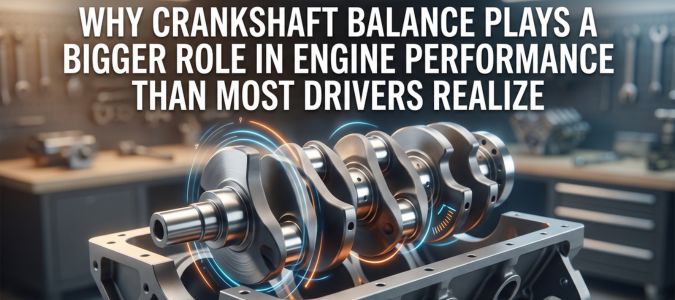
Why Crankshaft Balance Plays a Bigger Role in Engine Performance Than Most Drivers Realize
The crankshaft is one of the most important moving components inside an engine, converting the pistons’ up-and-down motion into the rotational force that drives your vehicle. Proper crankshaft balance minimizes vibration, improves engine efficiency, reduces wear on internal components, and extends engine life. When an engine suffers severe internal damage, investing in a professionally inspected used engine or choosing quality used engines can restore reliable performance while avoiding the cost of a brand-new replacement.
Table of Contents
- What does the crankshaft do?
- Why crankshaft balance matters
- How imbalance affects engine performance
- Common causes of crankshaft imbalance
- Signs of crankshaft-related problems
- Choosing a reliable replacement engine
- FAQs
Understanding the Crankshaft
The crankshaft is located in the lower portion of the engine block and works together with the pistons and connecting rods.
Its primary function is to convert the pistons’ linear movement into rotational energy that powers the transmission and ultimately the wheels.
Every engine revolution depends on the crankshaft operating smoothly and remaining properly balanced.
Why Balance Is So Important
During engine operation, the crankshaft rotates thousands of times every minute.
Even a slight imbalance can create significant vibration because of these high rotational speeds.
Proper balancing helps:
- Reduce engine vibration
- Improve driving comfort
- Protect engine bearings
- Increase component lifespan
- Improve mechanical efficiency
Balanced rotating components place less stress on the entire drivetrain.
Better Performance Through Reduced Vibration
When a crankshaft is correctly balanced, the engine operates more smoothly throughout the RPM range.
Drivers often notice:
- Smoother acceleration
- Less cabin vibration
- Improved throttle response
- More refined engine operation
- Quieter performance
These improvements contribute to both driving comfort and long-term reliability.
Protecting Internal Engine Components
Excessive vibration affects far more than driver comfort. An imbalanced crankshaft increases stress on:
- Main bearings
- Connecting rod bearings
- Pistons
- Timing components
- Flywheel
- Engine mounts
Over time, this additional stress accelerates wear and increases the likelihood of mechanical failure.
Improved Fuel Efficiency
A balanced engine wastes less energy overcoming internal vibration. Instead, more of the engine’s power reaches the drivetrain.
Benefits include:
- Better fuel economy
- More efficient combustion
- Reduced mechanical resistance
- Lower operating temperatures
Although the gains may appear small individually, they contribute to improved long-term vehicle efficiency.
Common Causes of Crankshaft Imbalance
Several factors can affect crankshaft balance over time.
These include:
- Internal engine wear
- Bearing damage
- Poor engine rebuilding practices
- Manufacturing defects
- Collision damage
- Improper flywheel installation
Routine maintenance helps reduce many of these risks.
Warning Signs Drivers Shouldn’t Ignore
A crankshaft-related issue often develops gradually.
Common symptoms include:
- Engine vibration
- Knocking noises
- Oil pressure problems
- Unusual engine wear
- Difficulty maintaining smooth RPM
- Excessive engine movement
If these warning signs appear, professional diagnosis should be performed promptly.
Diagnosing Crankshaft Problems
Technicians use several methods to evaluate engine condition.
These may include:
- Vibration analysis
- Oil pressure testing
- Compression testing
- Engine computer diagnostics
- Visual inspection during engine teardown
Early diagnosis can prevent additional damage to expensive engine components.
When Replacement Makes More Sense
If severe crankshaft damage occurs, rebuilding the engine may not always be the most economical option.
In many situations, purchasing a professionally inspected used engine offers a practical alternative. Replacement engines often reduce:
- Repair time
- Labor costs
- Vehicle downtime
while restoring dependable performance.
Why Quality Used Engines Are Worth Considering
Many reputable suppliers thoroughly inspect quality used engines before offering them for sale.
Typical evaluations include:
- Compression testing
- Mileage verification
- Visual inspection
- Leak checks
- Component condition assessment
These inspections help ensure buyers receive engines capable of providing reliable long-term service.
Preventive Maintenance Helps Protect the Crankshaft
Regular maintenance significantly reduces internal engine wear. Recommended practices include:
- Timely oil changes
- Using manufacturer-approved lubricants
- Maintaining proper oil levels
- Replacing worn engine mounts
- Addressing warning lights immediately
- Avoiding prolonged engine overheating
Good maintenance habits help preserve crankshaft balance and overall engine health.
Modern Engine Design Continues to Improve
Manufacturers continue developing technologies that improve rotating assembly balance. Recent innovations include:
- Computer-assisted balancing
- Lightweight forged crankshafts
- Precision manufacturing
- Improved bearing materials
- Enhanced vibration dampers
These advancements contribute to quieter, smoother, and more efficient engines.
Final Thoughts
Crankshaft balance plays a far greater role in engine performance than many drivers realize. A properly balanced crankshaft reduces vibration, improves efficiency, protects internal engine components, and contributes to a smoother driving experience. Maintaining this balance helps extend engine life while lowering long-term maintenance costs.
When internal damage becomes too extensive for practical repair, selecting a professionally inspected used engine can provide a dependable and cost-effective replacement solution. Choosing quality used engines from trusted suppliers ensures factory-level compatibility, reliable performance, and greater confidence in your vehicle’s long-term reliability.
FAQs
The crankshaft converts the pistons’ up-and-down movement into rotational force that powers the vehicle’s drivetrain.
Proper balance reduces engine vibration, protects internal components, improves fuel efficiency, and enhances overall engine performance.
Common causes include bearing wear, internal engine damage, improper rebuilding, manufacturing defects, and incorrect component installation.
A professionally inspected used engine can provide reliable performance and significant cost savings compared to purchasing a brand-new engine.
Quality used engines are typically inspected for compression, mileage, leaks, and overall mechanical condition, helping ensure dependable long-term operation.